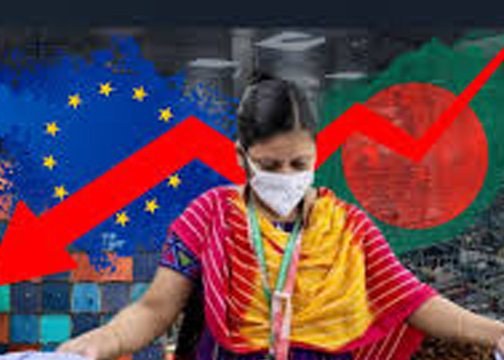
চলতি বছরের (২০২৬) প্রথম ছয় মাসে ইউরোপীয় ইউনিয়নে (ইইউ) বাংলাদেশের তৈরি পোশাক রপ্তানি আগের বছরের একই সময়ের তুলনায় ১৬.৪৩ শতাংশ কমেছে। এর ফলে ইউরোপের বাজারে রপ্তানি আয় কমে ৮.৬৪ বিলিয়ন ইউরোতে নেমে এসেছে। সম্প্রতি ইউরোস্ট্যাটের পরিসংখ্যান বিশ্লেষণ করে এ তথ্য প্রকাশ করেছে 'বাংলাদেশ অ্যাপারেল ভয়েস' (বিএভি)। ইইউর নিজস্ব পোশাক আমদানির বাজার সামগ্রিকভাবে সংকুচিত হওয়ার প্রভাবেই মূলত বাংলাদেশের রপ্তানিতে এই বড় পতন ঘটেছে।
বিএভির প্রতিষ্ঠাতা ও প্রধান নির্বাহী কর্মকর্তা মহিউদ্দিন রুবেল জানান, জানুয়ারি-জুন সময়ে ইউরোপের বাজারে বাংলাদেশের তৈরি পোশাক পাঠানোর পরিমাণ ৮.২২ শতাংশ এবং পোশাকের গড় মূল্য ৮.৯৪ শতাংশ হ্রাস পেয়েছে।
তবে বছরজুড়ে উদ্বেগের মাঝেও জুন মাসে পরিস্থিতির সামান্য উন্নতি দেখা গেছে। ওই একক মাসে ইইউতে বাংলাদেশের তৈরি পোশাক রপ্তানি আগের বছরের একই সময়ের তুলনায় ০.৮৭ শতাংশ বেড়ে ১.৩৭ বিলিয়ন ইউরোতে দাঁড়ায়। এ সময়ে পোশাক রপ্তানির পরিমাণ ৬.৫৩ শতাংশ বাড়ায় গড় একক মূল্য ৫.৩১ শতাংশ কমার নেতিবাচক প্রভাব কিছুটা হলেও সামাল দেওয়া সম্ভব হয়েছে।
সংকুচিত ইইউর বাজার ও প্রতিবেশীদের চিত্র
সামগ্রিকভাবে বছরের প্রথমার্ধে বিশ্ববাজার থেকে ইইউ মোট ৪১.১০ বিলিয়ন ইউরোর পোশাক আমদানি করেছে, যা আগের বছরের একই সময়ের তুলনায় ৯.৭০ শতাংশ কম। মূলত ইউরোপের বাজার জুড়ে ভোক্তা চাহিদা হ্রাস এবং পণ্যের দাম কমে যাওয়ার কারণেই তাদের আমদানিতে এমন মন্দা দেখা দিয়েছে। এ সময়ে ইইউর মোট আমদানির পরিমাণ ৬.৪০ শতাংশ এবং গড় ইউনিট মূল্য ৩.৫৩ শতাংশ কমেছে।
ইউরোপীয় বাজারের এই মন্দার প্রভাব পড়েছে প্রায় সব প্রধান পোশাক রপ্তানিকারক দেশের ওপরই:
• তুরস্ক: রপ্তানি কমেছে ১৪.৬০%
• পাকিস্তান: রপ্তানি কমেছে ১২.৫৩%
• ভারত: রপ্তানি কমেছে ১২.৪৯%
• শ্রীলঙ্কা: রপ্তানি কমেছে ১১.২১%
• চীন: রপ্তানি কমেছে ৮.৮৮%
• কম্বোডিয়া: রপ্তানি কমেছে ৮.৮৪%
একক ব্যতিক্রম ভিয়েতনাম
প্রধান পোশাক সরবরাহকারী দেশগুলোর মধ্যে কেবল ভিয়েতনামই এই সময়ে ইতিবাচক ধারা ধরে রাখতে পেরেছে। বছরের প্রথমার্ধে ইইউতে ভিয়েতনামের পোশাক রপ্তানি ০.৩৬ শতাংশ বৃদ্ধি পেয়েছে। যদিও ভিয়েতনামের রপ্তানি পণ্যের পরিমাণ ১১.৫২ শতাংশ কমেছিল, কিন্তু তাদের পোশাকের গড় ইউনিট মূল্য ১৩.৪৩ শতাংশ বৃদ্ধি পাওয়ায় সামগ্রিক রপ্তানি আয়ে পতন এড়িয়ে প্রবৃদ্ধি অর্জন করা সম্ভব হয়েছে। প্রধান প্রতিযোগী দেশগুলোর মধ্যে ভিয়েতনামের পণ্যের মূল্য বৃদ্ধির হারই ছিল সর্বোচ্চ।
ইন্দোনেশিয়া ও কম্বোডিয়ার পোশাকের গড় ইউনিট মূল্য বাড়লেও, বাজারে তাদের পণ্যের রপ্তানি পরিমাণ আশঙ্কাজনকভাবে কমে যাওয়ায় সামগ্রিক প্রবৃদ্ধি অর্জন সম্ভব হয়নি।
বিশ্লেষকদের মতে, ইউরোপীয় ইউনিয়নের পোশাক আমদানির বাজার সার্বিকভাবে যে হারে সংকুচিত হয়েছে, বাংলাদেশের রপ্তানি কমার হার ছিল তারচেয়েও বেশি। পণ্যের পরিমাণ এবং একক মূল্য—উভয় ক্ষেত্রেই উল্লেখযোগ্য পতন তৈরি পোশাক খাতের জন্য নতুন চ্যালেঞ্জ তৈরি করেছে।
লেখক: ড. আবুল হাসনাৎ মিল্টন,সাংবাদিক, রাজনৈতিক বিশ্লেষক ও প্রধান সম্পাদক, দ্যা সোর্স নিউজ বাংলা (The Source News Bangla)
In the first six months of the current year (2026), Bangladesh's readymade garment (RMG) exports to the European Union (EU) decreased by 16.43% compared to the same period of the previous year. As a result, export earnings in the European market fell to 8.64 billion euros. This information was recently published by 'Bangladesh Apparel Voice' (BAV) after analyzing data from Eurostat. The sharp decline in Bangladesh's exports was primarily driven by the overall contraction of the EU's own apparel import market.
Mohiuddin Rubel, Founder and CEO of BAV, reported that during the January–June period, the volume of Bangladesh's RMG shipments to the European market declined by 8.22%, while the average unit price decreased by 8.94%.
However, amidst widespread concerns throughout the year, a slight improvement was observed in June. In that single month, Bangladesh's RMG exports to the EU grew by 0.87% year-on-year, reaching 1.37 billion euros. A 6.53% increase in export volume during this month helped mitigate some of the negative impact caused by a 5.31% decline in average unit price.
EU's Shrinking Market and Neighboring Countries' Performance
Overall, in the first half of the year, the EU imported apparel worth 41.10 billion euros from the global market, which is 9.70% lower than the same period last year. This downturn in imports was largely due to weakening consumer demand and falling product prices across European markets. During this period, the EU's total import volume dropped by 6.40%, while the average unit price decreased by 3.53%.
The impact of this slowdown in the European market was felt across almost all major apparel-exporting nations:
• Turkey: Exports dropped by 14.60%
• Pakistan: Exports dropped by 12.53%
• India: Exports dropped by 12.49%
• Sri Lanka: Exports dropped by 11.21%
• China: Exports dropped by 8.88%
• Cambodia: Exports dropped by 8.84%
Vietnam: The Sole Exception
Among the major apparel-supplying nations, only Vietnam managed to maintain a positive trend during this period. In the first half of the year, Vietnam's apparel exports to the EU increased by 0.36%. Although Vietnam's export volume fell by 11.52%, a 13.43% surge in their average unit price allowed them to offset the drop in volume and achieve overall growth. Vietnam recorded the highest rate of unit price growth among key competitors.
While the average unit prices for Indonesia and Cambodia also increased, both countries failed to achieve overall growth due to a significant drop in their export volumes.
According to analysts, Bangladesh's export contraction was steeper than the overall decline in the EU's apparel import market. The simultaneous decline in both shipment volume and unit prices poses fresh challenges for the country's RMG sector.
Author: Dr. Abul Hasnat Milton
Journalist, Political Analyst, and Editor-in-Chief, The Source News Bangla