অত্যাবশ্যকীয় ৬০ শতাংশ ওষুধের উৎপাদন বন্ধ; লাগামহীন চিকিৎসা খরচে দিশেহারা দেশের মধ্যবিত্ত ও নিম্নআয়ের রোগী
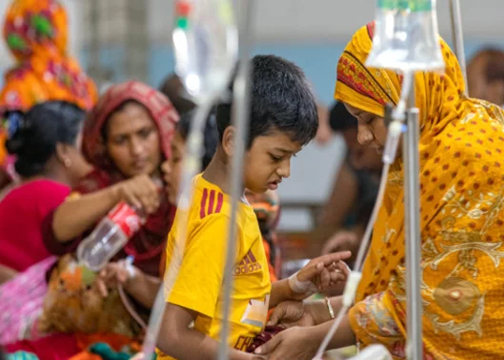
রোগীর স্বজনের হাতে চিকিৎসকের লিখে দেওয়া প্রেসক্রিপশন। এক ফার্মেসি থেকে অন্য ফার্মেসিতে ছুটছেন তিনি, কিন্তু প্রয়োজনীয় ওষুধটি পাওয়া যাচ্ছে না। শেষমেশ বিক্রেতা একটি বিকল্প ওষুধ বাড়িয়ে দিলেন— যার দাম মূল ওষুধের চেয়ে বহুগুণ বেশি। পকেট খালি করে বাধ্য হয়েই সেই চড়া দামের ওষুধ কিনতে হচ্ছে স্বজনকে। এটি এখন দেশের অসংখ্য সাধারণ ও নিম্নআয়ের পরিবারের দৈনন্দিন নির্মম বাস্তবতা।
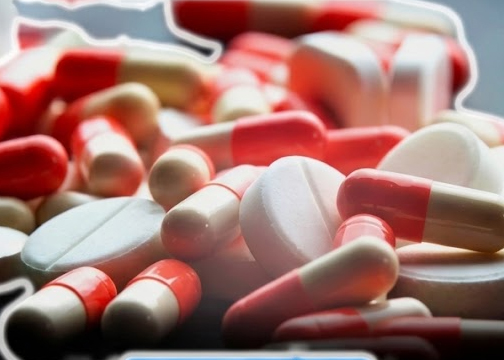
উৎপাদন ব্যয় বৃদ্ধি ও দীর্ঘদিন ধরে মূল্য সমন্বয় না হওয়ার অজুহাতে দেশের ১১৭টি তালিকাভুক্ত অত্যাবশ্যকীয় ওষুধের মধ্যে প্রায় ৬০ শতাংশেরই উৎপাদন বন্ধ রেখেছে দেশের ওষুধ প্রস্তুতকারক প্রতিষ্ঠানগুলো। ফলে বাজার থেকে উধাও হয়ে গেছে সাধারণ মানুষের জীবনের নিরাপত্তা দেওয়া সহজলভ্য এসব প্রতিষেধক।
৩২ বছরের পুরনো মূল্যকাঠামো ও বাস্তবতার অভিঘাত
সোমবার (২৪ আগস্ট) তেজগাঁওয়ে বাংলাদেশ ওষুধ শিল্প সমিতির (বাপি) কার্যালয়ে আয়োজিত ‘ওষুধ শিল্পের অগ্রগতি: চ্যালেঞ্জ ও সম্ভাবনা’ শীর্ষক মতবিনিময় সভায় শিল্পের প্রতিনিধিরা তুলে ধরেন এই সংকটের পেছনে থাকা ব্যবসায়িক ও প্রশাসনিক জটিলতা।
তাদের ভাষ্যমতে, বর্তমানে ১৯৯৪ সালের মূল্য নির্ধারণ কাঠামোর ভিত্তিতে অত্যাবশ্যকীয় ওষুধের দাম নিয়ন্ত্রিত হচ্ছে। গত ৩২ বছরে বাজারে সার্বিক মূল্যস্ফীতি হয়েছে বহু গুণ, বেড়েছে মার্কিন ডলারের বিনিময় হার, শ্রমিকের মজুরি এবং বিদ্যুৎ ও জ্বালানির দাম। কিন্তু এই দীর্ঘ সময়ে সরকার মাত্র দুবার এসব পণ্যের দাম সমন্বয় করেছে, যদিও নীতিমালায় বছরে গড়ে ৮ শতাংশ হারে মূল্য সমন্বয়ের বিধান ছিল। ফলে ওষুধ তৈরিতে উৎপাদন খরচের চেয়েও বিক্রয়মূল্য কমে দাঁড়িয়েছে, যা শিল্পমালিকদের উৎপাদনে অনীহা তৈরি করেছে।
"বর্তমানে এসব অত্যাবশ্যকীয় ওষুধের অনেকগুলোর উৎপাদন খরচই আর বিক্রয়মূল্য থেকে উঠে আসে না। দাম ঠিকমতো সমন্বয় না করায় প্রায় ৬০ শতাংশ ওষুধের বাধ্য হয়ে উৎপাদন বন্ধ রাখতে হয়েছে।"
— মোসাদ্দেক হোসেন, ভাইস প্রেসিডেন্ট, বাংলাদেশ ওষুধ শিল্প সমিতি (বাপি)
বিদ্যুৎ ও জ্বালানি সংকটে থমকে যাওয়া উৎপাদন লাইন
মূল্য কাঠামোর পাশাপাশি শিল্প খাতকে নতুন বিপদে ফেলেছে নিরবচ্ছিন্ন বিদ্যুৎ ও গ্যাসের তীব্র সংকট। ওষুধ শিল্পে উৎপাদন প্রক্রিয়া অত্যন্ত সংবেদনশীল—একবার প্রক্রিয়া শুরু হলে তা মাঝপথে থামানোর কোনো সুযোগ থাকে না। হুট করে বিদ্যুৎ চলে গেলে পুরো ব্যাচের কাঁচামাল নষ্ট হয়ে কোটি কোটি টাকার ক্ষতি হয়।
বাপির মহাসচিব মুহাম্মদ হালিমুজ্জামান জানান, কারখানাগুলোকে সার্বক্ষণিক বড় ইউপিএস ও ডিজেল জেনারেটরের ওপর নির্ভর করতে হচ্ছে। গ্যাসের সংকট থাকায় জেনারেটর চালাতেও বাড়তি ডিজেল কিনতে হচ্ছে খোলা বাজার থেকে, যা তাদের সামগ্রিক উৎপাদন ব্যয় আরও বহুগুণ বাড়িয়ে দিচ্ছে।
মানবিক প্রশ্ন: মুনাফার দায়ভার কি কেবল রোগীর ঘাড়ে?
ওষুধ শিল্প মালিকদের যুক্তি যেমন ব্যবসায়িক দিক থেকে বিবেচনাযোগ্য, তেমনই সাধারণ মানুষের দৃষ্টিকোণ থেকে প্রশ্ন ওঠে—জীবন রক্ষাকারী ওষুধের ক্ষেত্রে কেবল মুনাফা অর্জনের ব্যর্থতায় উৎপাদন বন্ধ রাখা কতটুকু মানবিক?
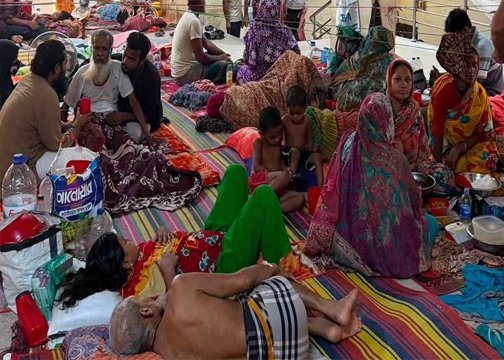
বাজার থেকে কম দামি অত্যাবশ্যকীয় ওষুধগুলো গায়েব হয়ে যাওয়ার কারণে সাধারণ রোগীদের কিনতে হচ্ছে সমমানের কিন্তু অত্যন্ত ব্যয়বহুল ব্র্যান্ডের ওষুধ। এতে চিকিৎসাসেবার ব্যয় লাগামহীনভাবে বাড়ছে, যা দেশের বহু পরিবারকে চিকিৎসার খরচ মেটাতে গিয়ে নিঃস্ব করে ফেলছে।
"প্রয়োজনীয় ওষুধ সুলভ মূল্যে জনগণের কাছে পৌঁছে দেওয়া সরকারের সাংবিধানিক দায়িত্ব। সরকার চাইলে ভর্তুকি অথবা সরকারি ক্রয়ব্যবস্থার মাধ্যমে কম দামে এসব ওষুধ সরবরাহ করতে পারে। কিন্তু কোনো ধরনের সহায়তা ছাড়া বেসরকারি উদ্যোক্তাদের ওপর দীর্ঘদিন লোকসান চাপিয়ে রাখা বাস্তবসম্মত নয়।"
— ডা. জাকির হোসেন, সাবেক মহাসচিব (বাপি) ও ব্যবস্থাপনা পরিচালক, ডেল্টা ফার্মা
রাষ্ট্রায়ত্ত ইডিসিএল ও বিকল্প সমাধানের পথ
আলোচনায় আরও উঠে আসে রাষ্ট্রায়ত্ত প্রতিষ্ঠান এসেনশিয়াল ড্রাগস কোম্পানি লিমিটেডের (ইডিসিএল) ভূমিকার কথা। বিশেষজ্ঞদের মতে, ইডিসিএলের সাথে বেসরকারি প্রতিষ্ঠানের তুলনা চলে না, কারণ ইডিসিএলের নিশ্চিত সরকারি ক্রয়াদেশ রয়েছে এবং তাদের বিপণন বাবদ অতিরিক্ত খরচ করতে হয় না। সরকার চাইলে ইডিসিএলের উৎপাদন সক্ষমতা বহুগুণ বাড়িয়ে বিনামূল্যে বা স্বল্পমূল্যে এসব অত্যাবশ্যকীয় ওষুধ সরকারি হাসপাতালগুলোর মাধ্যমে জনগণের দৌড়গোড়ায় পৌঁছে দিতে পারে।
সংকট উত্তরণে জরুরি করণীয়:
১. বিশেষজ্ঞ প্যানেল গঠন: স্বাস্থ্য ও বাজার বিশেষজ্ঞদের মতামতের ভিত্তিতে অত্যাবশ্যকীয় ওষুধের তালিকা নিয়মিত হালনাগাদ করা।
২. স্বচ্ছ মূল্যনীতি: একটি স্বয়ংসক্রিয়, স্বচ্ছ ও সময়োপযোগী মূল্য নির্ধারণ ও নিয়মিত সমন্বয় প্রক্রিয়া তৈরি করা।
৩. জ্বালানি নিরাপত্তা: ওষুধ প্রস্তুতকারক কারখানাগুলোতে নিরবচ্ছিন্ন গ্যাস ও বিদ্যুৎ সরবরাহ নিশ্চিত করা।
৪. সরকারি ভর্তুকি ও ইডিসিএল-এর সক্ষমতা বৃদ্ধি: প্রান্তিক জনগোষ্ঠীর জন্য জরুরি ওষুধ উৎপাদনে সরকারকে বিশেষ ভর্তুকি প্রদান অথবা ইডিসিএলের মাধ্যমে উৎপাদন বাড়িয়ে সরকারি ব্যবস্থাপনায় কম দামে ওষুধ বিতরণ করা।
ওষুধ কেবল কোনো সাধারণ ভোগ্যপণ্য নয়, এটি জীবন ও মৃত্যুর মধ্যকার সাঁকো। বাণিজ্য ও নীতিমালার টানাপোড়েনে যেন কোনো মানুষের জীবন বিপন্ন না হয়, সেজন্য দ্রুততম সময়ে সরকার, ওষুধ মালিক ও বিশেষজ্ঞদের যৌথ পদক্ষেপে একটি কার্যকর সমাধান খুঁজে বের করা এখন সময়ের দাবি।
লেখক: ড. আবুল হাসনাৎ মিল্টন,সাংবাদিক, রাজনৈতিক বিশ্লেষক ও প্রধান সম্পাদক, দ্যা সোর্স নিউজ বাংলা (The Source News Bangla)
A patient's relative holds a prescription written by a doctor, running from one pharmacy to another, but the required medicine is nowhere to be found. Finally, the seller offers an alternative—priced several times higher than the original. Left with no choice, the relative buys the expensive medicine, emptying their pocket. This has now become a cruel daily reality for countless average and low-income families across the country.
Citing rising production costs and a prolonged lack of price adjustments, pharmaceutical companies in the country have suspended the production of nearly 60 percent of the 117 listed essential medicines. As a result, these affordable life-saving drugs have vanished from the market.
Impact of a 32-Year-Old Pricing Structure and Ground Realities
On Monday (August 24), at an exchange-of-views meeting titled "Progress of the Pharmaceutical Industry: Challenges and Prospects" organized at the office of the Bangladesh Association of Pharmaceutical Industries (BAPI) in Tejgaon, industry representatives highlighted the commercial and administrative complexities behind this crisis.
According to them, essential medicine prices are currently regulated based on a 1994 pricing structure. Over the past 32 years, overall market inflation has surged manifold, along with increases in the exchange rate of the US dollar, workers' wages, and electricity and fuel prices. However, the government has adjusted the prices of these products only twice during this long period, despite a policy provision allowing an average annual adjustment of 8 percent. Consequently, the selling price of these medicines has fallen below their production cost, disincentivizing manufacturers from producing them.
"Currently, the production cost of many of these essential medicines can no longer be recovered from their selling price. Due to the lack of proper price adjustments, we have been forced to stop the production of nearly 60 percent of these drugs."
— Mosaddek Hossain, Vice President, BAPI
Production Lines Stalled by Electricity and Fuel Crises
Beyond the pricing structure, the industry faces a new threat from severe and continuous electricity and gas shortages. The manufacturing process in the pharmaceutical sector is extremely sensitive—once a batch begins, it cannot be interrupted halfway. A sudden power outage ruins the entire batch of raw materials, resulting in losses worth millions.
BAPI General Secretary Muhammad Halimuzzaman noted that factories are forced to rely constantly on large UPS units and diesel generators. Due to the gas crisis, they must also purchase additional diesel from the open market to run the generators, driving up overall production costs exponentially.
The Humanitarian Question: Is the Burden of Profit Solely on Patients?
While the arguments of pharmaceutical owners are understandable from a business standpoint, a question arises from the public's perspective: How humane is it to halt the production of life-saving medicines solely over a failure to make a profit?
Because low-cost essential medicines have disappeared from the market, ordinary patients are forced to purchase equivalent but highly expensive branded alternatives. This has led to an uncontrolled rise in healthcare expenses, impoverishing many families trying to cover treatment costs.
"Providing essential medicines at affordable prices is the constitutional responsibility of the government. The government can supply these medicines at low prices through subsidies or public procurement systems. However, expecting private entrepreneurs to bear continuous losses without any support is not realistic."
— Dr. Zakir Hossain, Former General Secretary (BAPI) & Managing Director, Delta Pharma
State-Owned EDCL and Alternative Solutions
The discussion also highlighted the role of the state-owned Essential Drugs Company Limited (EDCL). According to experts, private companies cannot be compared to EDCL, as EDCL benefits from guaranteed government purchase orders and does not incur marketing costs. If the government wishes, it can multiply EDCL's production capacity to deliver these essential medicines to the public's doorstep at low or no cost through public hospitals.
Urgent Steps to Overcome the Crisis:
• Forming an Expert Panel: Regularly update the essential medicines list based on inputs from health and market experts.
• Transparent Pricing Policy: Establish an automated, transparent, and timely price-fixing and regular adjustment process.
• Energy Security: Ensure uninterrupted gas and electricity supply to pharmaceutical manufacturing plants.
• Government Subsidies and Enhancing EDCL Capacity: Provide special subsidies for producing emergency drugs for marginalized populations, or boost production through EDCL to distribute affordable medicines under government management.
Medicine is not just a consumer commodity; it is the bridge between life and death. To ensure that human lives are not endangered by commercial and policy conflicts, the government, pharmaceutical owners, and experts must collaborate immediately to find an effective solution.
Author: Dr. Abul Hasnat Milton, Journalist, Political Analyst, and Editor-in-Chief, The Source News Bangla