আইনশৃঙ্খলা পরিস্থিতির চরম অবনতি ও সরকারের অস্বস্তি
দেশের বর্তমান আইনশৃঙ্খলা পরিস্থিতি নজিরবিহীন ও চরম সংকটজনক অবস্থার মধ্য দিয়ে যাচ্ছে। খুন, চাঁদাবাজি, জবরদখল এবং মব সন্ত্রাসের অভূতপূর্ব বৃদ্ধিতে অতিষ্ঠ হয়ে উঠেছে সাধারণ মানুষ। ১৭ বছর পর ক্ষমতায় আসা রাজনৈতিক দলটির গত সাত মাসের কার্যকালে এমন নৈরাজ্য সরকারকেও ফেলছে বিব্রতকর পরিস্থিতিতে। গোয়েন্দা প্রতিবেদনে স্পষ্ট সতর্কবার্তা দেওয়া হয়েছে যে, এই অস্থিতিশীলতা কঠোর হাতে দমন করা না হলে অচিরেই আরও বড় ধরনের জাতীয় সংকটের মুখোমুখি হতে হবে সরকারকে।
পুলিশের ওপর আস্থাহীনতা এবং মাঠপর্যায়ের অসহায়ত্ব
পরিস্থিতি নিয়ন্ত্রণে পুলিশ প্রশাসনকে মাঠে নামানো হলেও বারবার তারা মব সন্ত্রাস ও হামলার শিকার হচ্ছে। সম্প্রতি রাজধানীর মিরপুর-১০ গোলচত্বর এলাকায় ফুটপাত উচ্ছেদকালে পুলিশ ও সিটি করপোরেশনের ওপর হামলা, দুটি গাড়িতে আগুন এবং পুলিশ সদস্যদের আহত হওয়ার ঘটনা তারই প্রমাণ। বিশেষ করে, পুলিশ কর্মকর্তাদের বিতর্কিত অডিও ফাঁস এবং রাজনৈতিক সংশ্লিষ্টতার অভিযোগে বাহিনীটির ওপর সরকারের শীর্ষ মহলের আস্থা মারাত্মকভাবে নড়ে গেছে। পুলিশ সদর দপ্তর থেকে ইন্সপেক্টর পদমর্যাদার কর্মকর্তাদের তথ্য হালনাগাদ করার নির্দেশ আসলেও সার্বিক শূন্যতা ঢাকতে তা পর্যাপ্ত মনে হচ্ছে না।
যৌথ অভিযান ও ম্যাজিস্ট্রেসি ক্ষমতার দ্বিমুখী ভাবনা
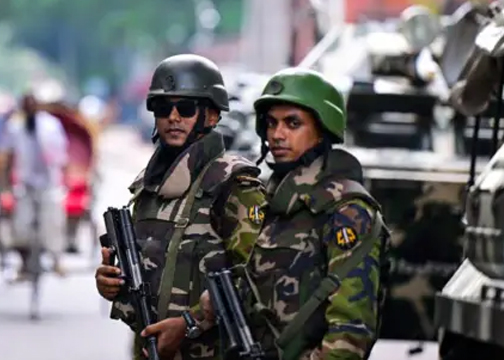
পুলিশ দিয়ে পরিস্থিতি সামাল দেওয়া সম্ভব না হওয়ায় সরকার এখন কঠোর বিকল্পের কথা ভাবছে। একটি পক্ষ ২০০২ সালের আদলে 'অপারেশন ক্লিন হার্ট'-এর মতো সাঁড়াশি অভিযান চালাতে চাইছে। অন্য পক্ষটি বিগত অন্তর্বর্তীকালীন সরকারের মতো সশস্ত্র বাহিনীকে ম্যাজিস্ট্রেসি ক্ষমতা দিয়ে মাঠে নামানোর পক্ষে। মূলত তিন মাসের জন্য সেনাবাহিনীকে মাঠে রেখে পরিস্থিতি সম্পূর্ণ নিয়ন্ত্রণে আনতে চায় নীতি নির্ধারকরা।
সেনাবাহিনীর আপত্তির নেপথ্য ও সেনাসদরের জরুরি দরবার
অতীতের তিক্ত অভিজ্ঞতা এবং মানবাধিকার লংঘনের আশঙ্কায় সেনাবাহিনী সরাসরি সিভিল প্রশাসনের সঙ্গে এ ধরনের অভিযানে জড়াতে নারাজ। সেনাপ্রধান জেনারেল ওয়াকার-উজ-জামান বারবার স্পষ্ট করেছেন যে, সেনাবাহিনীর মূল দায়িত্ব সীমান্ত রক্ষা ও যুদ্ধক্ষেত্র সামলানো। তা সত্ত্বেও উদ্ভূত পরিস্থিতিতে করণীয় ঠিক করতে সেনাসদরে ১ অক্টোবর একটি জরুরি দরবার ডাকা হয়, যার কারণে সেনাপ্রধানের পূর্বনির্ধারিত পার্বত্য চট্টগ্রাম সফরও বাতিল করা হয়। সরকারের শীর্ষ মহলের সঙ্গে তিন বাহিনীর প্রধানদের বৈঠকে বর্তমান সংকটের বিভিন্ন দিক নিয়ে তীব্র আলোচনা হয়েছে।
একটি স্বাভাবিক ও গণতান্ত্রিক সরকারের আমলে বারবার অভ্যন্তরীণ আইনশৃঙ্খলা রক্ষার দায়িত্ব কেন সশস্ত্র বাহিনীকে অর্পণ করতে হবে—এই প্রশ্ন এখন জোড়ালো হয়ে উঠেছে। মব সন্ত্রাস ও অপরাধ দমনে দীর্ঘমেয়াদী রাজনৈতিক সমাধানের পরিবর্তে বারবার সামরিক শক্তির ওপর নির্ভরতা রাষ্ট্রকে কোন দিকে নিয়ে যাচ্ছে, সেটাই এখন সবচেয়ে বড় উদ্বেগের বিষয়।
লেখক: ড. আবুল হাসনাৎ মিল্টন,সাংবাদিক, রাজনৈতিক বিশ্লেষক ও প্রধান সম্পাদক, দ্যা সোর্স নিউজ বাংলা (The Source News Bangla)
Severe Deterioration of Law and Order and Government Unease
The country's current law and order situation is passing through an unprecedented and severely critical phase. Ordinary citizens have grown exhausted by the unprecedented surge in murders, extortion, forced land grabs, and mob terror. Such anarchy during the first seven months in office of the political party that returned to power after 17 years has also placed the government in an embarrassing position. Intelligence reports have issued clear warnings that if this instability is not suppressed with a heavy hand, the government will soon face an even larger national crisis.
Distrust in the Police and Helplessness at the Ground Level
Although the police administration has been deployed to control the situation, they are repeatedly falling victim to mob terror and attacks. A recent example is the attack on police and city corporation officials during an eviction drive on the footpaths at the Mirpur-10 roundabout in the capital, where two vehicles were torched and police personnel were injured. In particular, the top echelons of the government have suffered a severe blow to their trust in the force due to leaked controversial audio clips of police officers and allegations of political affiliations. Although the police headquarters has issued directives to update the information of officers holding the rank of inspector, it does not seem sufficient to cover the overall vacuum.
Dual Thoughts on Joint Operations and Magistracy Powers
Since it is no longer possible to handle the situation using only the police, the government is now contemplating strict alternatives. One faction wants to launch a crackdown similar to the 2002 "Operation Clean Heart." Another faction favors deploying the armed forces to the field with magistracy powers, akin to the previous interim government. Policy-makers primarily want to keep the army deployed on the ground for three months to bring the situation under complete control.
Behind the Army's Objections and the Urgent Durbar at the Army Headquarters
Apprehensive of past bitter experiences and human rights violations, the army is reluctant to directly entangle itself in such operations alongside civil administration. Army Chief General Waker-Uz-Zaman has repeatedly made it clear that the primary duty of the army is to protect borders and manage battlefields. Despite this, an emergency durbar was called at the army headquarters on October 1 to determine the course of action in the wake of the emerging situation, which led to the cancellation of the army chief's pre-scheduled visit to the Chittagong Hill Tracts. Various aspects of the current crisis were intensely discussed in a meeting between the top circles of the government and the chiefs of the three services.
Why should the responsibility of internal law and order be repeatedly handed over to the armed forces during the tenure of a normal, democratic government—this question has now become loud and clear. Instead of long-term political solutions to curb mob terror and crime, the repeated reliance on military power is steering the state in an uncertain direction, which remains the single biggest concern.
Author: Dr. Abul Hasnat Milton, Journalist, Political Analyst, and Editor-in-Chief, The Source News Bangla