১৯৭৫ সালের ৭ নভেম্বর। বাংলাদেশের ইতিহাসে এক অন্ধকার, রক্তাক্ত ও কলঙ্কিত দিন। যে সেনানিবাস একসময় মুক্তিযুদ্ধের বীর সেনাদের পদচারণায় গর্বিত ছিল, সেই সেনানিবাসই সেদিন পরিণত হয়েছিল হত্যাযজ্ঞের মঞ্চে। রাতের অন্ধকারে শুরু হওয়া ষড়যন্ত্র, গোলাগুলি, লুটপাট ও হত্যার মধ্য দিয়ে রচিত হয়েছিল স্বাধীন বাংলাদেশের সামরিক ইতিহাসের অন্যতম ভয়াবহ অধ্যায়। আর সেই হত্যাকাণ্ডের রাজনৈতিক সুবিধাভোগী হয়ে ক্ষমতার কেন্দ্রে উঠে আসেন জিয়াউর রহমান।
আজও এই দিনটিকে ‘জাতীয় বিপ্লব ও সংহতি দিবস’ হিসেবে প্রতিষ্ঠার চেষ্টা চলে। কিন্তু প্রশ্ন হলো, যে দিনে মুক্তিযুদ্ধের বীর সেনা কর্মকর্তাদের রক্তে সেনানিবাসের মাটি ভিজেছিল, যে দিনে দেশের শ্রেষ্ঠ সামরিক সন্তানদের হত্যা করা হয়েছিল, সেই দিন কীভাবে বিপ্লবের গৌরবময় প্রতীক হতে পারে? হত্যাকাণ্ডকে বিপ্লবের নাম দেওয়া কি ইতিহাসের সঙ্গে প্রতারণা নয়?
১৫ আগস্ট, ৩ নভেম্বর ও ৭ নভেম্বর: একই ষড়যন্ত্রের ধারাবাহিকতা?
১৯৭৫ সালের ১৫ আগস্ট জাতির পিতা বঙ্গবন্ধু শেখ মুজিবুর রহমানকে সপরিবারে হত্যা করা হয়। রাষ্ট্রীয় ক্ষমতার সাংবিধানিক ধারাকে উপেক্ষা করে খন্দকার মোশতাক আহমদ রাষ্ট্রপতির দায়িত্ব গ্রহণ করেন। ২৪ আগস্ট সেনাপ্রধানের দায়িত্ব পান জিয়াউর রহমান। বঙ্গবন্ধুর হত্যাকারীদের রাষ্ট্রীয় আনুকূল্য, বঙ্গভবনে তাদের অবস্থান এবং সেনাবাহিনীর অভ্যন্তরে চেইন অব কমান্ডের ভাঙন পরিস্থিতিকে ক্রমেই বিস্ফোরণমুখী করে তোলে।
মুক্তিযুদ্ধে অংশ নেওয়া সেনা কর্মকর্তাদের একটি বড় অংশ বঙ্গবন্ধুর খুনিদের বিরুদ্ধে ব্যবস্থা গ্রহণ এবং সেনাবাহিনীর শৃঙ্খলা পুনঃপ্রতিষ্ঠার দাবি তুলেছিলেন। এই প্রেক্ষাপটে ৩ নভেম্বর ব্রিগেডিয়ার খালেদ মোশাররফ, কর্নেল শাফায়াত জামিলসহ কয়েকজন সামরিক কর্মকর্তা জিয়াউর রহমানকে গৃহবন্দি করেন।
কিন্তু পরিস্থিতি আরও ভয়াবহ মোড় নেয় একই দিনে কেন্দ্রীয় কারাগারে জাতীয় চার নেতার নির্মম হত্যাকাণ্ডের মধ্য দিয়ে। সৈয়দ নজরুল ইসলাম, তাজউদ্দীন আহমদ, এএইচএম কামারুজ্জামান ও ক্যাপ্টেন এম মনসুর আলীকে কারাগারের ভেতর হত্যা করা হয়। বঙ্গবন্ধুর অনুপস্থিতিতে মুক্তিযুদ্ধের নেতৃত্ব ও স্বাধীন বাংলাদেশের রাজনৈতিক ভিত্তিকে নিশ্চিহ্ন করার যে ভয়ংকর প্রক্রিয়া শুরু হয়েছিল, জাতীয় চার নেতার হত্যাকাণ্ড ছিল তারই আরেকটি রক্তাক্ত অধ্যায়।
এই ঘটনাগুলোর সঙ্গে ৭ নভেম্বরের হত্যাযজ্ঞকে বিচ্ছিন্নভাবে দেখার সুযোগ নেই। বরং ১৫ আগস্ট, ৩ নভেম্বর ও ৭ নভেম্বরের ঘটনাপ্রবাহ বাংলাদেশের রাষ্ট্রীয় ইতিহাসে ক্ষমতা দখল, সামরিক ষড়যন্ত্র এবং মুক্তিযুদ্ধের চেতনাবিরোধী রাজনৈতিক পরিবর্তনের এক জটিল ধারাবাহিকতা তৈরি করে।
সেনানিবাসে রক্তের উৎসব: লক্ষ্যবস্তু ছিলেন মুক্তিযুদ্ধের বীর সেনারা
৭ নভেম্বরের আগের রাত থেকেই সেনানিবাসে উত্তেজনা ও অস্থিরতা ছড়িয়ে পড়ে। বিভিন্ন সামরিক স্মৃতিকথা ও প্রত্যক্ষদর্শীর বিবরণে উঠে এসেছে, রাতের অন্ধকারে সেনাসদস্যদের একটি অংশ সংগঠিত হয়ে অস্ত্র হাতে সক্রিয় হয়। জিয়াউর রহমানের অনুগত এবং পাকিস্তান থেকে প্রত্যাবর্তনকারী কিছু সেনাসদস্যের ভূমিকা নিয়ে পরবর্তী সময়ে গুরুতর অভিযোগ উত্থাপিত হয়েছে। একই সঙ্গে কর্নেল আবু তাহেরের নেতৃত্বাধীন বিপ্লবী সৈনিক সংস্থার একটি অংশও ওই অস্থিরতার সঙ্গে যুক্ত ছিল বলে বিভিন্ন বিবরণে উল্লেখ রয়েছে।
সেনা কর্মকর্তাদের বাসভবনে হামলা, গোলাগুলি, লুটপাট এবং হত্যাকাণ্ডের মধ্য দিয়ে পরিস্থিতি নিয়ন্ত্রণের বাইরে চলে যায়। অসুস্থ পরিবারের সদস্য থেকে শুরু করে সামরিক কর্মকর্তারাও হামলার শিকার হন। এই নৃশংসতার সবচেয়ে ভয়াবহ পরিণতি দেখা যায় ৭ নভেম্বর দিনের বেলায়।
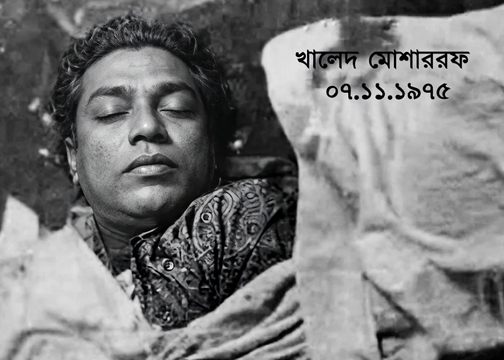
নিহত হন মুক্তিযুদ্ধের অন্যতম সেক্টর কমান্ডার ও কে-ফোর্সের অধিনায়ক মেজর জেনারেল খালেদ মোশাররফ বীর উত্তম, সেক্টর কমান্ডার লেফটেন্যান্ট কর্নেল এ টি এম হায়দার বীর উত্তম এবং সাব-সেক্টর কমান্ডার কর্নেল খন্দকার নাজমুল হুদা বীর বিক্রম। তাঁরা কেবল সেনাবাহিনীর কর্মকর্তা ছিলেন না; তাঁরা ছিলেন বাংলাদেশের স্বাধীনতার জন্য জীবন বাজি রাখা একেকজন বীর যোদ্ধা।
তাঁদের হত্যার মধ্য দিয়ে মুক্তিযুদ্ধের সামরিক নেতৃত্বের একটি গুরুত্বপূর্ণ অংশকে নির্মমভাবে সরিয়ে দেওয়া হয়। যাঁরা একদিন পাকিস্তানি হানাদার বাহিনীর বিরুদ্ধে অস্ত্র ধরেছিলেন, স্বাধীনতার মাত্র কয়েক বছরের মধ্যে তাঁদেরই নিজ দেশের সেনানিবাসে প্রাণ দিতে হলো। এর চেয়ে বড় জাতীয় ট্র্যাজেডি আর কী হতে পারে?
ক্ষমতার উত্থান, প্রতিশোধের রাজনীতি এবং সেনাবাহিনীতে রক্তক্ষয়
৭ নভেম্বরের ঘটনাপ্রবাহের পর জিয়াউর রহমানের রাজনৈতিক ও সামরিক অবস্থান দ্রুত শক্তিশালী হয়। কিন্তু তাঁর ক্ষমতার উত্থানের পর সেনাবাহিনীতে যে দমন-পীড়ন, বিচারবহির্ভূত হত্যাকাণ্ড ও সামরিক বিচারের অভিযোগ সামনে আসে, তা বাংলাদেশের ইতিহাসে গভীর ক্ষত তৈরি করেছে।
বিশেষ করে ১৯৭৭ সালের সামরিক অস্থিরতা দমনের নামে বিপুলসংখ্যক সেনাসদস্যকে গ্রেপ্তার, সামরিক বিচারে দণ্ডিত এবং মৃত্যুদণ্ড কার্যকর করার অভিযোগ রয়েছে। বিভিন্ন গবেষণা, স্মৃতিকথা ও ভুক্তভোগীদের বক্তব্যে শত শত, এমনকি প্রায় দেড় হাজার সেনাসদস্যের মৃত্যুর দাবি উঠে এসেছে। প্রকৃত সংখ্যা ও প্রতিটি মৃত্যুর পরিস্থিতি নিয়ে আরও নির্ভরযোগ্য নথিভিত্তিক অনুসন্ধান জরুরি। তবে এ বিষয়ে কোনো সন্দেহ নেই যে, ওই সময় সেনাবাহিনীর ভেতরে ভয়াবহ দমন-পীড়ন ও মৃত্যুদণ্ডের ঘটনা ঘটেছিল।
সামরিক আদালতের স্বচ্ছতা, অভিযুক্তদের আত্মপক্ষ সমর্থনের সুযোগ এবং বিচারপ্রক্রিয়ার বৈধতা নিয়েও গুরুতর প্রশ্ন রয়েছে। যেসব সৈনিক ও কর্মকর্তা ভাগ্যক্রমে প্রাণে বেঁচেছিলেন, তাঁদের অনেকেই পরবর্তী সময়ে ভয়াবহ অভিজ্ঞতার কথা প্রকাশ করেছেন।
একটি রাষ্ট্রের সেনাবাহিনী কি প্রতিশোধের যন্ত্র হতে পারে? মুক্তিযুদ্ধে অংশ নেওয়া সৈনিকদের জীবন কি ক্ষমতার দ্বন্দ্বের বলি হবে? আর রাষ্ট্র কি এসব মৃত্যুর দায় এড়িয়ে যেতে পারে? এসব প্রশ্নের উত্তর আজও জাতির কাছে বাকি।
তাহেরের ফাঁসি: ৭ নভেম্বরের রাজনীতির আরেক নির্মম পরিণতি
৭ নভেম্বরের ঘটনাপ্রবাহে কর্নেল আবু তাহেরের ভূমিকা ছিল গুরুত্বপূর্ণ। বিপ্লবী সৈনিক সংস্থার তৎপরতা এবং জিয়াউর রহমানকে বন্দিদশা থেকে মুক্ত করার ঘটনায় তাহেরের সংশ্লিষ্টতার কথা বিভিন্ন ঐতিহাসিক বিবরণে উঠে এসেছে। কিন্তু পরবর্তী সময়ে জিয়াউর রহমানের সঙ্গে তাহেরের রাজনৈতিক ও ক্ষমতাকেন্দ্রিক বিরোধ তীব্র হয়ে ওঠে।
শেষ পর্যন্ত বিশেষ সামরিক আদালতে বিচারের মাধ্যমে তাহেরকে মৃত্যুদণ্ড দেওয়া হয় এবং ১৯৭৬ সালের ২১ জুলাই তাঁর ফাঁসি কার্যকর করা হয়। এই বিচারপ্রক্রিয়া ও মৃত্যুদণ্ডের বৈধতা নিয়ে পরবর্তী সময়ে গুরুতর বিতর্ক তৈরি হয়েছে।
যে ৭ নভেম্বরের ঘটনাপ্রবাহে তাহের গুরুত্বপূর্ণ ভূমিকা রেখেছিলেন, সেই ঘটনার পরিণতিতেই তাঁকে প্রাণ দিতে হয়। এটি শুধু একজন সামরিক কর্মকর্তার মৃত্যুর ঘটনা নয়; এটি ক্ষমতার রাজনীতিতে সহযোগীকে ব্যবহার করে পরে সরিয়ে দেওয়ার এক নির্মম দৃষ্টান্ত হিসেবেও আলোচিত।
‘বিপ্লব ও সংহতি’: হত্যাকাণ্ডের দায় আড়াল করার রাজনৈতিক বয়ান?
৭ নভেম্বরকে ‘জাতীয় বিপ্লব ও সংহতি দিবস’ হিসেবে প্রতিষ্ঠার মধ্য দিয়ে ঘটনাটির একটি নির্দিষ্ট রাজনৈতিক ব্যাখ্যা দীর্ঘদিন ধরে প্রচার করা হয়েছে। কিন্তু বিপ্লবের মৌলিক বৈশিষ্ট্য হলো গণমানুষের অংশগ্রহণ, সুস্পষ্ট সামাজিক-রাজনৈতিক লক্ষ্য এবং জনগণের আকাঙ্ক্ষার প্রকাশ।
৭ নভেম্বরের ঘটনাপ্রবাহ ঘটেছিল মূলত সেনানিবাসকেন্দ্রিক সামরিক অস্থিরতা ও ক্ষমতার দ্বন্দ্বের মধ্যে। সাধারণ মানুষের ব্যাপক অংশগ্রহণ বা দেশব্যাপী গণ-অভ্যুত্থানের সুস্পষ্ট প্রমাণ পাওয়া যায় না। বরং সামরিক বাহিনীর ভেতরে সংঘটিত হত্যাকাণ্ড ও ক্ষমতার পুনর্বিন্যাসই ছিল ঘটনাটির প্রধান বৈশিষ্ট্য।
তাহলে একে গণবিপ্লব বলা হবে কীভাবে? কয়েকটি সামরিক গোষ্ঠীর সংঘাত, ষড়যন্ত্র ও রক্তপাতকে জনগণের বিপ্লব হিসেবে চালিয়ে দেওয়ার রাজনৈতিক উদ্দেশ্য কী?
জাসদের একটি অংশের ভূমিকা নিয়েও ঐতিহাসিক বিতর্ক রয়েছে। কর্নেল তাহের ও বিপ্লবী সৈনিক সংস্থার সঙ্গে সংশ্লিষ্ট রাজনৈতিক শক্তি ৭ নভেম্বরের ঘটনাপ্রবাহে ভূমিকা রাখলেও পরবর্তী ক্ষমতার বিন্যাসে তারা প্রত্যাশিত অবস্থান পায়নি। তাহেরের ফাঁসি এবং জাসদ নেতাকর্মীদের ওপর দমন-পীড়ন সেই রাজনৈতিক পরিণতিরই অংশ।
কিন্তু কোনো রাজনৈতিক দলের ভুল সিদ্ধান্ত বা অতীতের ভূমিকা দিয়ে মুক্তিযুদ্ধের বীর সেনাদের হত্যাকাণ্ডকে আড়াল করা যায় না। ইতিহাসের বিচার রাজনৈতিক সুবিধা অনুযায়ী বদলানো যায় না।
মুক্তিযুদ্ধের চেতনার ওপর আঘাত: রাষ্ট্রের আদর্শিক ভিত্তি বদলে দেওয়ার চেষ্টা
জিয়াউর রহমানের শাসনামলে বাংলাদেশের রাষ্ট্রীয় আদর্শ ও রাজনৈতিক কাঠামোয় বড় ধরনের পরিবর্তন আসে। সংবিধানের মূলনীতিতে পরিবর্তন, ধর্মভিত্তিক রাজনীতির পুনঃপ্রবেশ এবং স্বাধীনতাবিরোধী রাজনৈতিক শক্তির পুনর্বাসন নিয়ে তাঁর শাসনামল দীর্ঘদিন ধরে সমালোচিত।
১৯৭৫ সালের ১৫ আগস্ট বঙ্গবন্ধু হত্যাকাণ্ডের পর জারি করা ইনডেমনিটি অধ্যাদেশের মাধ্যমে হত্যাকারীদের বিচারের পথ বন্ধ করা হয়েছিল। পরবর্তী সময়ে জিয়াউর রহমানের শাসনামলে এই দায়মুক্তির বিধান সাংবিধানিক সুরক্ষা পায়। ফলে বঙ্গবন্ধু হত্যার বিচার দীর্ঘ সময় আটকে থাকে।
এখানে একটি মৌলিক প্রশ্ন সামনে আসে: যে রাষ্ট্র লাখো মানুষের রক্তের বিনিময়ে স্বাধীন হয়েছে, সেই রাষ্ট্রে স্বাধীনতাবিরোধী শক্তির রাজনৈতিক পুনর্বাসন এবং জাতির পিতার হত্যাকারীদের দায়মুক্তি কীভাবে গ্রহণযোগ্য হতে পারে?
মুক্তিযুদ্ধের চেতনা কেবল একটি রাজনৈতিক স্লোগান নয়; এটি বাংলাদেশের জন্মের ভিত্তি। সেই ভিত্তিকে দুর্বল করে দেওয়া, মুক্তিযুদ্ধের নেতৃত্বকে ইতিহাসের আড়ালে ঠেলে দেওয়া এবং স্বাধীনতাবিরোধী শক্তিকে রাজনীতিতে জায়গা করে দেওয়ার প্রতিটি পদক্ষেপ জাতির ইতিহাসে গভীর বিতর্ক ও ক্ষোভের জন্ম দিয়েছে।
শেখ হাসিনার শ্রদ্ধা নিবেদন: শহীদ মুক্তিযোদ্ধাদের স্মৃতি ও ইতিহাসের দায়
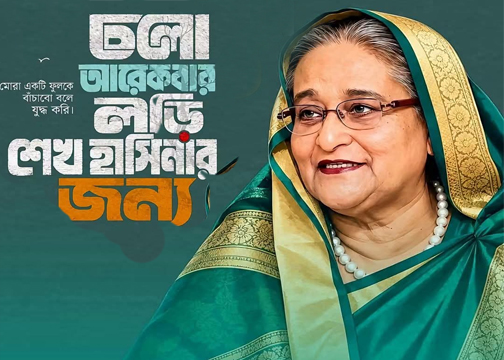
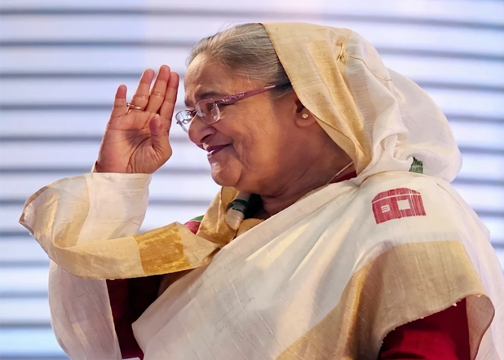
৭ নভেম্বরকে ‘মুক্তিযোদ্ধা হত্যা দিবস’ হিসেবে স্মরণ করে বাংলাদেশ আওয়ামী লীগের সভাপতি বঙ্গবন্ধুকন্যা শেখ হাসিনা শহীদ মুক্তিযোদ্ধা সেনা কর্মকর্তা ও জোয়ানদের প্রতি গভীর শ্রদ্ধা জানিয়েছেন।
তাঁর বক্তব্যে ১৯৭৫ সালের ৭ নভেম্বরকে মুক্তিযোদ্ধা সামরিক কর্মকর্তা ও সৈনিক হত্যার কলঙ্কিত দিন হিসেবে উল্লেখ করা হয়েছে। তিনি মেজর জেনারেল খালেদ মোশাররফ বীর উত্তম, কর্নেল এ টি এম হায়দার বীর উত্তম এবং কর্নেল খন্দকার নাজমুল হুদা বীর বিক্রমসহ নিহত মুক্তিযোদ্ধাদের স্মরণ করেন।
শেখ হাসিনার বক্তব্যে আরও বলা হয়, ৭ নভেম্বরের ঘটনাপ্রবাহের পর জিয়াউর রহমান ক্ষমতা সুসংহত করেন এবং পরবর্তী সময়ে সামরিক বাহিনীতে ক্যু ও বিচারপ্রক্রিয়ার নামে বহু কর্মকর্তা ও সৈনিকের মৃত্যুর ঘটনা ঘটে। তাঁর মতে, ১৫ আগস্ট ও ৩ নভেম্বরের ধারাবাহিকতায় ৭ নভেম্বর ছিল মুক্তিযুদ্ধের চেতনার বিরুদ্ধে এক ভয়াবহ প্রতিবিপ্লব।
তিনি আরও অভিযোগ করেন, ২০২৪ সালের ৫ আগস্টের পর দেশে মুক্তিযুদ্ধবিরোধী শক্তির পুনরুত্থান ঘটেছে এবং বীর মুক্তিযোদ্ধারা অপমান, নির্যাতন ও হত্যার শিকার হচ্ছেন। তাঁদের শেষ বিদায় ও দাফনেও বাধা দেওয়ার ঘটনা ঘটছে বলে তিনি উল্লেখ করেন। তাঁর ভাষায়, অতীতের প্রতিবিপ্লবী রাজনীতির ছায়া যেন আবারও ফিরে আসছে।
শেখ হাসিনা শহীদদের আত্মার মাগফেরাত ও চিরশান্তি কামনা করেন এবং শোকসন্তপ্ত পরিবারের প্রতি সমবেদনা জানান। তাঁর বক্তব্যের শেষ আহ্বান—‘আঁধার কেটে ভোর হোক, বাংলাদেশ চিরজীবী হোক।’
ইতিহাসের আদালতে ৭ নভেম্বর: সত্য আড়াল করে দায় এড়ানো যাবে না
৭ নভেম্বরের ইতিহাসকে কেবল একটি রাজনৈতিক দলের প্রচারিত ভাষ্যে সীমাবদ্ধ রাখার সুযোগ নেই। এই দিনের সঙ্গে জড়িয়ে আছে মুক্তিযুদ্ধের বীর সেনাদের মৃত্যু, সামরিক বাহিনীর অভ্যন্তরীণ রক্তক্ষয়, ক্ষমতার দ্বন্দ্ব, বিচারপ্রক্রিয়ার প্রশ্ন এবং স্বাধীন বাংলাদেশের আদর্শিক গতিপথ পরিবর্তনের বিতর্ক।
যাঁরা সেদিন নিহত হয়েছিলেন, তাঁরা কোনো ক্ষমতার লড়াইয়ের সাধারণ নামহীন সৈনিক ছিলেন না। তাঁরা ছিলেন মুক্তিযুদ্ধের সম্মুখসারির যোদ্ধা, স্বাধীনতার জন্য জীবন বাজি রাখা মানুষ। তাঁদের রক্তের ওপর দাঁড়িয়ে কোনো রাজনৈতিক দিবসের গৌরবগাথা রচনা করা হলে তা শহীদদের প্রতি চরম অবমাননা।
ইতিহাসের প্রতি দায়িত্বশীল হতে হলে আবেগের পাশাপাশি দলিল, প্রত্যক্ষদর্শীর বিবরণ, সামরিক নথি, সমসাময়িক সংবাদপত্র, বিচারিক দলিল ও গবেষণার ভিত্তিতে প্রতিটি ঘটনার সত্য উদ্ঘাটন করতে হবে। কার ভূমিকা কী ছিল, কার নির্দেশে কী ঘটেছিল, কারা হত্যাকাণ্ডের শিকার হয়েছিলেন—এসব প্রশ্নের নিরপেক্ষ ও পূর্ণাঙ্গ অনুসন্ধান প্রয়োজন।
‘বিপ্লব’ শব্দের আড়ালে হত্যাকাণ্ডের দায় মুছে ফেলা যায় না। ‘সংহতি’র নামে রক্তাক্ত ইতিহাসকে মহিমান্বিত করা যায় না। আর রাজনৈতিক ক্ষমতা দিয়ে ইতিহাসের সত্যকে চিরকাল বন্দি করে রাখা সম্ভব নয়।
৭ নভেম্বর তাই কেবল একটি তারিখ নয়; এটি বাংলাদেশের ইতিহাসের এক গভীর ক্ষত, মুক্তিযুদ্ধের বীর সেনাদের আত্মত্যাগের স্মারক এবং রাষ্ট্রের কাছে বিচার ও সত্য প্রতিষ্ঠার এক অনিবার্য দাবি।
যে জাতি তার শ্রেষ্ঠ সন্তানদের হত্যার ইতিহাস ভুলে যায়, সে জাতি একসময় নিজের জন্মের ইতিহাসও হারিয়ে ফেলে। তাই ৭ নভেম্বরের রক্তাক্ত অধ্যায়কে যথাযথভাবে স্মরণ করা, তথ্য-প্রমাণের ভিত্তিতে দায় নির্ধারণ করা এবং ইতিহাস বিকৃতির বিরুদ্ধে সোচ্চার হওয়া আজ সময়ের দাবি।
শহীদ মুক্তিযোদ্ধাদের রক্তের সঙ্গে কোনো আপস নয়। ইতিহাসের সঙ্গে কোনো প্রতারণা নয়। জয় বাংলা। জয় বঙ্গবন্ধু।
লেখক: ড.আওলাদ হোসেন, রাজনীতিবিদ ও রাজনৈতিক বিশ্লেষক
November 7, 1975. A dark, bloody, and stigmatized day in the history of Bangladesh. The cantonment that once stood proudly with the footsteps of valiant freedom fighters was transformed on that day into a stage for carnage. Conspiracies, gunfire, looting, and assassinations unfolding in the dead of night scripted one of the most horrific chapters in independent Bangladesh's military history. Ziaur Rahman ascended to the center of power as the political beneficiary of these killings.
Even today, attempts are made to establish this day as "National Revolution and Solidarity Day." But the question remains: how can a day whose soil was soaked in the blood of brave military officers of the Liberation War, a day when the nation's finest military sons were murdered, ever become a glorious symbol of revolution? Isn’t labeling a massacre as a "revolution" a profound betrayal of history?
August 15, November 3, and November 7: A Continuation of the Same Conspiracy?
On August 15, 1975, the Father of the Nation, Bangabandhu Sheikh Mujibur Rahman, along with his entire family, was assassinated. Ignoring the constitutional path of state power, Khondaker Mostaq Ahmad assumed the presidency. On August 24, Ziaur Rahman was appointed Chief of Army Staff. State patronage of Bangabandhu's killers, their presence in the Bangabhaban, and the breakdown of the chain of command within the army progressively pushed the situation toward an explosion.
A significant section of military officers who had participated in the Liberation War raised demands to take action against Bangabandhu's killers and restore discipline within the army. In this context, on November 3, several military officers—including Brigadier Khaled Mosharraf, Bir Uttam, and Colonel Shafaat Jamil—placed Ziaur Rahman under house arrest.
However, the situation took an even more horrific turn on the same day with the brutal assassination of the Four National Leaders inside the Central Jail. Syed Nazrul Islam, Tajuddin Ahmad, A. H. M. Kamaruzzaman, and Captain M. Mansur Ali were killed behind bars. The assassination of the Four National Leaders was yet another bloody chapter in the terrifying process initiated to annihilate the leadership of the Liberation War and the political foundation of independent Bangladesh in Bangabandhu's absence.
There is no scope to view the carnage of November 7 in isolation from these events. Rather, the sequence of events of August 15, November 3, and November 7 created a complex continuum of seizing state power, military conspiracies, and political shifts counter to the spirit of the Liberation War in Bangladesh's state history.
The Bloodbath in the Cantonment: Brave Freedom Fighters as Targets
From the night preceding November 7, tension and instability spread across the cantonment. Various military memoirs and eyewitness accounts reveal that a section of military personnel organized and became active with arms in the dead of night. Serious allegations were subsequently raised regarding the role of Ziaur Rahman’s loyalists and certain soldiers who had repatriated from Pakistan. Simultaneously, accounts indicate that a faction of the Biplobi Sainik Sangstha (Revolutionary Soldiers' Organization), led by Colonel Abu Taher, was also involved in that unrest.
The situation spiraled out of control through attacks on military officers' residences, gunfire, looting, and killings. From ailing family members to military officers themselves, all fell victim to these attacks. The most horrific consequence of this brutality unfolded in broad daylight on November 7.
Among those killed were Major General Khaled Mosharraf, Bir Uttam, Sector Commander and Commander of K-Force; Lieutenant Colonel A. T. M. Haider, Bir Uttam, Sector Commander; and Colonel Khandaker Nazmul Huda, Bir Bikram, Sub-Sector Commander. They were not merely army officers; they were valiant warriors who had risked their lives for the independence of Bangladesh.
Through their assassinations, a vital segment of the Liberation War’s military leadership was ruthlessly eliminated. Those who had once taken up arms against the Pakistani occupation forces were forced to give up their lives within their own country's cantonment just a few years after independence. What greater national tragedy could there be?
Rise to Power, Politics of Vengeance, and Bloodshed in the Army
Following the events of November 7, Ziaur Rahman’s political and military standing rapidly strengthened. However, the suppression, extrajudicial killings, and military trials within the army that emerged in the wake of his rise to power have left deep scars on Bangladesh's history.
In particular, under the guise of suppressing military unrest in 1977, there are allegations that a vast number of military personnel were arrested, sentenced through military trials, and executed by hanging. Various researches, memoirs, and statements from victims' families have put forward claims of hundreds, or even nearly fifteen hundred, soldiers perishing. A more reliable documentation-based inquiry into the exact numbers and the circumstances of each death remains imperative. However, there is no doubt that horrific repression and executions took place within the army during that period.
Grave questions also persist regarding the transparency of military tribunals, the accused individuals' opportunities to defend themselves, and the legality of the judicial process. Many of the soldiers and officers who miraculously survived have subsequently revealed horrifying experiences.
Can a state's military be an instrument of vengeance? Must the lives of soldiers who took part in the Liberation War become pawns in power struggles? And can the state evade responsibility for these deaths? Answers to these questions remain due to the nation.
The Hanging of Taher: Another Crucial, Grim Consequence of November 7 Politics
Colonel Abu Taher played a significant role in the events of November 7. Various historical accounts highlight Taher’s involvement in the activities of the Biplobi Sainik Sangstha and the episode of freeing Ziaur Rahman from confinement. Subsequently, however, political and power-centric friction between Ziaur Rahman and Taher intensified.
Ultimately, through a trial in a special military tribunal, Taher was sentenced to death, and his execution was carried out on July 21, 1976. The legality of this trial process and execution has generated serious debate over time.
Taher, who had played a pivotal role in the events of November 7, met his demise as a direct consequence of those very events. This is discussed not merely as the death of a military officer, but as a ruthless paradigm of using an ally in power politics and subsequently discarding them.
"Revolution and Solidarity": A Political Narrative to Mask the Guilt of Carnage?
Through the establishment of November 7 as "National Revolution and Solidarity Day," a specific political interpretation of the event has long been propagated. However, the fundamental characteristics of a revolution are mass public participation, clear socio-political objectives, and the expression of the people's aspirations.
The events of November 7 transpired primarily amid cantonment-centric military instability and power struggles. There is no clear evidence of widespread public participation or a nationwide mass uprising. Rather, bloodshed within the armed forces and the reconfiguration of power constituted the primary features of the occurrence.
How, then, can this be termed a popular revolution? What is the political objective behind passing off the conflict, conspiracy, and bloodshed among a few military factions as a revolution of the people?
Historical debates also surround the role of a faction of JSD (Jatiya Samajtantrik Dal). Although the political forces associated with Colonel Taher and the Biplobi Sainik Sangstha played a part in the events of November 7, they did not secure their anticipated position in the subsequent power alignment. The execution of Taher and the repression of JSD activists were parts of that political outcome.
Yet, no political party's erroneous decisions or past actions can obscure the assassination of the Liberation War’s brave soldiers. Historical justice cannot be altered to suit political conveniences.
Blow to the Spirit of the Liberation War: An Attempt to Alter the State's Ideological Foundation
During Ziaur Rahman’s tenure, major transformations occurred in Bangladesh's state ideology and political structure. His regime has long faced criticism for amendments to the core principles of the constitution, the re-introduction of religion-based politics, and the rehabilitation of anti-independence political forces.
Following the assassination of Bangabandhu Sheikh Mujibur Rahman on August 15, 1975, the Indemnity Ordinance was issued, blocking the path to justice for the killers. Subsequently, during Ziaur Rahman’s rule, this provision of impunity received constitutional protection. Consequently, the trial for Bangabandhu's assassination remained stalled for a prolonged period.
A fundamental question arises here: how can the political rehabilitation of anti-independence forces and the indemnity granted to the Father of the Nation's killers be acceptable in a state born through the blood of millions?
The spirit of the Liberation War is not merely a political slogan; it is the founding basis of Bangladesh. Every step taken to weaken that foundation, relegate the leadership of the Liberation War to historical obscurity, and carve out space for anti-independence forces in politics has generated deep controversy and anguish in the nation's history.
Sheikh Hasina’s Tribute: The Memory of Martyred Freedom Fighters and Historical Responsibility
Commemorating November 7 as "Freedom Fighter Assassination Day," Bangladesh Awami League President and Bangabandhu's daughter Sheikh Hasina expressed deep reverence for the martyred freedom fighter soldiers and jawans.
Her address referenced November 7, 1975, as a stigmatized day marked by the killing of freedom fighter military officers and soldiers. She remembered the fallen freedom fighters, including Major General Khaled Mosharraf, Bir Uttam; Colonel A. T. M. Haider, Bir Uttam; and Colonel Khandaker Nazmul Huda, Bir Bikram.
Sheikh Hasina’s statement further noted that following the events of November 7, Ziaur Rahman consolidated power, and in the subsequent period, numerous officers and soldiers lost their lives under the guise of coups and judicial processes in the military. In her view, succeeding August 15 and November 3, November 7 constituted a disastrous counter-revolution against the spirit of the Liberation War.
She further alleged that following August 5, 2024, an anti-liberation force has experienced a resurgence in the country, with brave freedom fighters facing insults, torture, and murder. Obstacles are reportedly being created even during their final farewells and burials, she observed. In her words, the shadow of past counter-revolutionary politics appears to be returning once more.
Sheikh Hasina prayed for the salvation and eternal peace of the martyrs' souls and extended condolences to the grieving families. Her closing appeal: "Let the darkness clear into dawn, let Bangladesh live forever."
November 7 at the Court of History: Truth Cannot Be Concealed to Evade Responsibility
The history of November 7 cannot be confined to the narrative promoted by a single political party. Linked to this day are the deaths of the Liberation War's brave soldiers, internal bloodshed within the military, power struggles, questions of judicial processes, and controversies surrounding the shift in independent Bangladesh's ideological trajectory.
Those who perished on that day were not ordinary, nameless soldiers of some power struggle. They were frontline combatants of the Liberation War, individuals who staked their lives for freedom. If the saga of any political day is composed by standing upon their blood, it constitutes an extreme insult to the martyrs.
To remain responsible toward history, we must uncover the truth of each event through archival records, eyewitness accounts, military documents, contemporary newspapers, judicial records, and research, alongside emotion. Whose role was what, under whose directives things transpired, and who fell victim to the assassinations—impartial and thorough investigations into these questions are imperative.
The responsibility for bloodshed cannot be erased under the guise of the word "revolution." A bloody history cannot be glorified in the name of "solidarity." Nor is it possible to hold the truth of history captive forever through political power.
November 7 is thus not merely a date; it is a deep scar in the history of Bangladesh, a monument to the supreme sacrifices of the Liberation War’s brave soldiers, and an inescapable demand for justice and the establishment of truth from the state.
A nation that forgets the history of the murder of its finest sons eventually loses the history of its own birth. Therefore, properly commemorating the bloody chapter of November 7, establishing accountability based on evidence, and raising voices against the distortion of history are imperatives of the time.
No compromise with the blood of martyred freedom fighters. No betrayal of history. Joy Bangla. Joy Bangabandhu.
Author: Dr. Awlad Hossain, Politician and Political Analyst